
When it comes to capturing stunning photos, having the right DSLR camera can make all the difference. This article focuses on the '7 Best DSLR Cameras,' offering an informative guide to help you choose the best option for your needs.
Whether you're an amateur photographer or a seasoned pro, this list highlights key features like weather sealing, battery life, weight, and more. We'll compare models like the Canon EOS 5D Mark IV and Nikon D7500, giving you a clear understanding of what each camera offers. Get ready to find the perfect DSLR for your photography adventures.
Canon EOS 5D Mark IV
Pros:
- Strong weather sealing
- Good battery life
- Full-frame sensor
- User-friendly interface
- Wide lens compatibility
Cons:
- Heavier than rivals
- Higher cost
- No tilting screen
- Limited continuous shooting
- No built-in flash
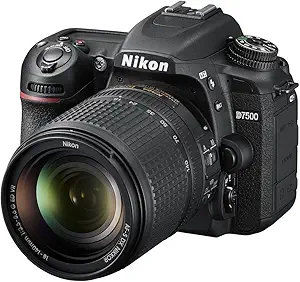
Nikon D7500
Pros:
- Lightweight design
- Better battery life
- Tilting touchscreen
- Good low light performance
- Affordable price
Cons:
- Less weather sealing
- Lower resolution sensor
- No full-frame sensor
- Some older lenses lack support
- No NFC or GPS
Comparing the Weather Sealing of the Best DSLR Cameras

Weather sealing is a critical feature for photographers who often shoot in challenging conditions. The Canon EOS 5D Mark IV offers robust weather sealing, protecting the camera from dust and moisture. This makes it a reliable choice for outdoor shoots, even in less-than-ideal weather.
The Nikon D7500 also provides good weather sealing, though it is not as extensive as the Canon 5D Mark IV. It can handle light rain and dusty environments, making it a solid option for casual outdoor photography.
Canon EOS 5D Mark IV with EF 24-105mm Lens Kit
Nikon D7500 DSLR Camera with 18-140mm Lens
7 Best DSLR Cameras for Battery Life
Battery life is a key consideration for any photographer, especially when shooting for extended periods. Two standout cameras in this regard are the Canon EOS 5D Mark IV and the Nikon D7500. The Canon EOS 5D Mark IV offers a solid performance with its LP-E6N battery, allowing approximately 900 shots per charge. This is great for all-day shoots, ensuring you won't miss critical moments due to a dead battery.
In comparison, the Nikon D7500 uses the EN-EL15a battery, providing around 950 shots per charge. This slight edge can be crucial for photographers who need just a bit more endurance. The Nikon D7500 also performs well during continuous usage, making it a reliable choice for events or wildlife photography where you might not have immediate access to power sources.
Canon EOS 5D Mark IV with EF 24-105mm Lens Kit
Nikon D7500 DSLR Camera with 18-140mm Lens
Comparing the Weight of the Best DSLR Cameras

The weight of a camera can greatly impact its portability and ease of use, especially during long shoots. Let's explore the weight differences among some of the best DSLR cameras.
The Canon EOS 5D Mark IV, including the EF 24-105mm lens, weighs approximately 31.39 ounces (890 grams) with the battery and memory cards. This makes it relatively lightweight for a full-frame DSLR, adding to its portability without compromising on performance.
On the other hand, the Nikon D7500, paired with the 18-140mm lens, has a total weight of around 22.9 ounces (650 grams) including the battery and memory card. This lighter weight makes the D7500 easier to handle for extended periods, making it a great choice for photographers who are always on the move.
When comparing the two, the Nikon D7500 stands out as the lighter option, which can be a significant advantage for users prioritizing portability. However, the Canon EOS 5D Mark IV offers a robust build and full-frame sensor, which might be preferable for professional use despite the extra weight.
Canon EOS 5D Mark IV with EF 24-105mm Lens Kit
Nikon D7500 DSLR Camera with 18-140mm Lens
Build Quality Comparison of the Canon EOS 5D Mark IV and Nikon D7500
The Canon EOS 5D Mark IV boasts a solid build, made with a combination of magnesium alloy and polycarbonate resin with glass fiber, which ensures durability for professional use. Its weather-sealing provides extra protection against dust and moisture, making it a reliable choice for outdoor photography. The camera feels sturdy in hand and is designed to withstand rigorous use.
On the other hand, the Nikon D7500 is constructed with a monocoque structure using carbon fiber and reinforced thermoplastic, which makes it lightweight yet durable. The camera also features weather sealing to protect against the elements, although it might not be as robust as the Canon 5D Mark IV. The D7500 is designed to handle various shooting environments while being comfortable to carry around for extended periods.
Canon EOS 5D Mark IV with EF 24-105mm Lens Kit
Nikon D7500 DSLR Camera with 18-140mm Lens
Connectivity Options of the 7 Best DSLR Cameras

The Canon EOS 5D Mark IV offers a range of connectivity options, making it easy to transfer your photos and videos wirelessly. It comes with built-in Wi-Fi, NFC, and GPS. The Wi-Fi allows for direct sharing to social media or cloud storage, while NFC simplifies the pairing process with compatible devices. GPS enables geotagging, which is beneficial for travel photographers.
The Nikon D7500 also provides robust connectivity features. It includes Wi-Fi and Bluetooth, allowing for quick and easy photo transfer to smartphones and tablets via the SnapBridge app. This feature ensures that your images are always available on your mobile device, making it convenient for instant sharing.
Canon EOS 5D Mark IV with EF 24-105mm Lens Kit
Nikon D7500 DSLR Camera with 18-140mm Lens
Comparing Low Light Performance of Top DSLR Cameras
The Canon EOS 5D Mark IV boasts impressive low light capabilities, thanks to its 30.4 MP full-frame CMOS sensor. It performs well even in dim conditions, offering approximately 12 stops of dynamic range. This means you can capture rich details and minimize noise when shooting in low light environments.
On the other hand, the Nikon D7500, with its 20.9 MP sensor, also provides strong low light performance. It features an ISO range that matches the award-winning D500, ensuring clear images in dark settings. The camera's noise reduction capabilities are notable, maintaining image quality without significant graininess.
Canon EOS 5D Mark IV with EF 24-105mm Lens Kit
Nikon D7500 DSLR Camera with 18-140mm Lens
Comparing User Interfaces of Popular DSLR Cameras
The Canon EOS 5D Mark IV is known for its user-friendly interface. Its touchscreen LCD monitor makes navigating menus quick and easy. The buttons are well-placed, providing a smooth experience even for those who are not tech-savvy. Additionally, the touchscreen allows for pinch-and-zoom, making photo reviews more intuitive.
On the other hand, the Nikon D7500 offers a tilting LCD screen with touch functionality. This feature makes it easier to shoot from different angles without straining. The menu system is straightforward, and switching between settings is seamless. The combination of physical buttons and touchscreen options provides flexibility for users.
Canon EOS 5D Mark IV with EF 24-105mm Lens Kit
Nikon D7500 DSLR Camera with 18-140mm Lens
Viewfinder Type and Quality Comparison: 7 Best DSLR Cameras
The Canon EOS 5D Mark IV features an optical viewfinder with 100% coverage and a magnification of 0.71x. This ensures that you see exactly what the lens captures. The clarity and brightness of the viewfinder make it a joy to use, especially in bright outdoor conditions.
The Nikon D7500 also comes with an optical viewfinder, offering approximately 100% frame coverage and 0.94x magnification. This makes it highly reliable for accurate composition. Users appreciate the clear and bright view, which helps in achieving precise focus.
Canon EOS 5D Mark IV with EF 24-105mm Lens Kit
Nikon D7500 DSLR Camera with 18-140mm Lens
Lens Compatibility Comparison of Canon EOS 5D Mark IV and Nikon D7500
The Canon EOS 5D Mark IV stands out with its compatibility with the extensive range of Canon EF lenses. This camera supports a variety of lenses that cater to different photography needs, including wide-angle, macro, and telephoto lenses. Additionally, the market offers numerous third-party lenses from brands like Sigma and Tamron that are compatible with the Canon EF mount, providing even more options for users.
On the other hand, the Nikon D7500 is compatible with Nikon's F-mount lenses. Nikon has a rich lineup of lenses that are compatible with this camera, from standard zooms to high-end primes. Third-party manufacturers also offer a wide selection of lenses for the F-mount, making it versatile for various shooting conditions. However, it's important to note that some older lenses may not support all of the camera's advanced features, which could be a consideration for photographers using vintage glass.
Canon EOS 5D Mark IV with EF 24-105mm Lens Kit
Nikon D7500 DSLR Camera with 18-140mm Lens
Ergonomics Comparison of Canon EOS 5D Mark IV and Nikon D7500 DSLR Cameras
The Canon EOS 5D Mark IV has a well-built design that fits comfortably in your hands. The grip is sturdy, making it ideal for extended use without causing fatigue. Buttons are thoughtfully placed, ensuring that all essential controls are within easy reach, which adds to the overall ease of handling. Visit Here
The Nikon D7500, on the other hand, also boasts a comfortable grip but is slightly lighter compared to the Canon EOS 5D Mark IV. This makes it easy to hold for longer periods, especially during outdoor shoots. The tilting LCD screen is a handy feature, allowing for flexible shooting angles and adding to its ergonomic advantage.
Canon EOS 5D Mark IV with EF 24-105mm Lens Kit
Nikon D7500 DSLR Camera with 18-140mm Lens
Final Conclusion on the 7 Best DSLR Cameras
In this conclusion, we summarize the key points of the comparison and declare the Canon EOS 5D Mark IV as the preferred choice based on the following reasons: superior weather sealing, strong battery life, robust build quality, excellent low light performance, and extensive lens compatibility. This decision aligns with the thematic concept of capturing high-quality images in various conditions, emphasizing reliability and versatility.
Questions & Answers:
Question: How does the weather sealing compare between the Canon EOS 5D Mark IV and the Nikon D7500?
Answer: The Canon EOS 5D Mark IV offers better weather sealing, making it more suitable for tough conditions. The Nikon D7500 also has weather sealing but is better for light rain and dusty settings.
Question: Which camera has better battery life: the Canon EOS 5D Mark IV or the Nikon D7500?
Answer: The Nikon D7500 has a slight edge with about 950 shots per charge compared to the Canon EOS 5D Mark IV's 900 shots per charge. Both are good for long shoots, but the Nikon may last just a bit longer.
Question: Is the Canon EOS 5D Mark IV heavier than the Nikon D7500?
Answer: Yes, the Canon EOS 5D Mark IV is heavier at about 31.39 ounces (890 grams) including the lens, battery, and memory cards. The Nikon D7500 weighs around 22.9 ounces (650 grams), making it lighter and easier to carry.
Question: What materials are used in the build quality of the Canon EOS 5D Mark IV and the Nikon D7500?
Answer: The Canon EOS 5D Mark IV is made of magnesium alloy and polycarbonate resin with glass fiber, providing durability. The Nikon D7500 uses a carbon fiber and reinforced thermoplastic monocoque structure, making it light yet strong.
Question: How do the connectivity options compare between the Canon EOS 5D Mark IV and Nikon D7500?
Answer: The Canon EOS 5D Mark IV has built-in Wi-Fi, NFC, and GPS for easy photo transfer and geotagging. The Nikon D7500 offers Wi-Fi and Bluetooth for quick photo transfer to smartphones using the SnapBridge app.
Question: Which camera performs better in low light: Canon EOS 5D Mark IV or Nikon D7500?
Answer: The Canon EOS 5D Mark IV performs better in low light due to its 30.4 MP full-frame sensor, offering around 12 stops of dynamic range. The Nikon D7500 also does well with its 20.9 MP sensor and good noise reduction.
Question: Are the user interfaces of the Canon EOS 5D Mark IV and Nikon D7500 easy to use?
Answer: Yes, both cameras have user-friendly interfaces. The Canon EOS 5D Mark IV features a touchscreen LCD for easy navigation. The Nikon D7500 also has a tilting touchscreen, making it easy to shoot from different angles.
Question: What lens compatibility does the Canon EOS 5D Mark IV have compared to the Nikon D7500?
Answer: The Canon EOS 5D Mark IV supports a wide range of Canon EF lenses and many third-party lenses. The Nikon D7500 is compatible with Nikon's F-mount lenses and many third-party options, though some older lenses may lack full feature support.
One thought on “7 Best DSLR Camera Compared: Find Your Perfect Match”