Looking for the best DSLR cameras in the market? We’ve rounded up the top 7 options that cater to different photography needs. Whether you're a professional or just starting, this guide will help you choose the right camera.
From weather sealing to battery life, weight, build quality, connectivity, low light performance, user interface, viewfinder quality, and lens compatibility, we compare the key features of these top DSLR cameras to help you make an informed decision. Let's dive into the details and find out which camera suits your needs best.
The Canon EOS 5D Mark IV is renowned for its robust build quality and excellent weather sealing. It can withstand various conditions, including rain and dust, making it great for outdoor photography. The camera is well-sealed at all joints, buttons, and dials, ensuring that moisture and dust do not penetrate easily.
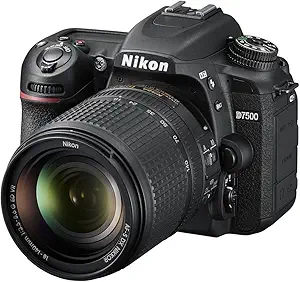
The Nikon D7500, on the other hand, also offers good weather sealing but is slightly less robust compared to the Canon EOS 5D Mark IV. It can handle light rain and dust, but it may not be as reliable in extreme conditions. The camera has seals at critical points to protect against the elements, making it suitable for most outdoor situations.
First, let’s look at the Canon EOS 5D Mark IV. This camera features a battery life that allows for up to 900 shots on a full charge. This makes it suitable for extended shooting sessions without needing frequent recharges. However, if you use live view or video recording extensively, the battery life might decrease more quickly.
On the other hand, the Nikon D7500 provides a robust battery performance, enabling up to 950 shots on a single charge. The efficient energy consumption ensures that even with the use of its advanced features like 4K video recording, the battery holds up well. This makes it a reliable choice for photographers who need a camera that can last through long shoots.
One key aspect to consider when choosing a DSLR camera is its weight, especially if you plan on carrying it around for extended periods. The Canon EOS 5D Mark IV, for instance, weighs approximately 31.39 ounces (890 grams) with the battery and memory card included. Without these, the body alone weighs around 28.22 ounces (800 grams). This makes it relatively heavy, but it’s packed with features that many photographers find indispensable.
On the other hand, the Nikon D7500 is a bit lighter, weighing in at around 22.93 ounces (650 grams) with the battery and memory card. This lighter weight can make it more comfortable to handle for longer shoots and easier to carry around. Despite being lighter, it doesn't compromise on quality, offering excellent image processing and a sturdy build.
Build Quality Comparison of Canon EOS 5D Mark IV and Nikon D7500
The Canon EOS 5D Mark IV is built with a robust magnesium alloy body, which gives it a sturdy feel and ensures durability in various shooting conditions. This construction is beneficial for professional photographers who often work in challenging environments. The camera also features weather sealing, providing protection against dust and moisture, which is essential for outdoor use.
On the other hand, the Nikon D7500 combines carbon fiber materials with a monocoque structure. This design makes the camera lightweight yet strong, offering a good balance between portability and toughness. The D7500 also includes weather sealing, which adds to its durability, making it suitable for photographers who need a reliable camera in different weather conditions.
In today’s digital age, having strong connectivity options in a DSLR camera can greatly enhance the user experience. Wireless features like Wi-Fi, Bluetooth, and NFC make it easier to transfer photos and videos without the need for cables, allowing for more seamless sharing and storage.
The Canon EOS 5D Mark IV offers excellent connectivity options, including built-in Wi-Fi and NFC, which allow for easy sharing and transferring of files. It also features GPS for geotagging your photos, making it a strong contender for those who need robust connectivity features.
On the other hand, the Nikon D7500 doesn't fall far behind. It comes with built-in Wi-Fi and Bluetooth, enabling smooth file transfers and remote control of the camera via a smartphone. However, it lacks NFC, which might be a minor drawback for some users.
Both cameras support mobile apps that enhance their connectivity capabilities. The Canon Camera Connect app and Nikon SnapBridge app are available for both iOS and Android devices, allowing users to easily transfer images and control their cameras remotely.
When comparing these two models, the Canon EOS 5D Mark IV edges out slightly due to its inclusion of NFC, which can be particularly useful for quick connections with compatible devices. However, both cameras provide solid connectivity options that cater to modern photography needs.
Low light performance is a key factor when choosing a DSLR camera. The Canon EOS 5D Mark IV boasts a 30.4 MP full-frame CMOS sensor that delivers excellent image quality even in dim settings. Its ISO range goes up to 32,000, expandable to 102,400, minimizing noise and maintaining clarity.
The Nikon D7500 is another strong contender with its 20.9 MP sensor. It features an ISO range up to 51,200, expandable to 1,640,000, which is impressive for capturing details in low light. The camera's noise reduction algorithms work well to keep images sharp.
User Interface Comparison: Canon EOS 5D Mark IV vs. Nikon D7500
The Canon EOS 5D Mark IV features a touchscreen LCD monitor, making it easy to navigate through menus and adjust settings quickly. The touch functionality allows users to pinch and zoom on images, offering a more interactive experience. Additionally, the buttons and dials are intuitively placed, making it simple for both new users and seasoned photographers to find and use them efficiently.
On the other hand, the Nikon D7500 also has a tilting LCD screen with touch functionality, which enhances the user experience by allowing easy access to different settings and menu options. The 3.2-inch screen size provides a clear view, and the touch capabilities make it seamless to switch between functions. The physical controls on the D7500 are well-designed, offering a comfortable handling experience.
7 Best DSLR Cameras: Viewfinder Type and Quality Comparison
The Canon EOS 5D Mark IV features an optical viewfinder with 100% coverage and a magnification of 0.71x. This ensures that what you see through the viewfinder is exactly what you will capture in your photos. The viewfinder's clarity and brightness make it a pleasure to use, even in low light conditions. The optical viewfinder provides a real-time view with no lag, which is crucial for capturing fast-moving subjects.
In contrast, the Nikon D7500 boasts an optical viewfinder with 100% coverage and a 0.94x magnification. The higher magnification allows for a more immersive viewing experience, making it easier to compose shots accurately. The viewfinder is bright and clear, providing a reliable representation of the scene. Both cameras offer excellent viewfinders, but the D7500's higher magnification gives it a slight edge in this category.
Lens Compatibility Comparison: Canon EOS 5D Mark IV vs. Nikon D7500
Comparing lens compatibility, the Canon EOS 5D Mark IV is versatile as it supports the entire range of Canon EF lenses. This includes high-end L-series lenses and a broad selection of third-party lenses from brands like Sigma and Tamron. This wide compatibility gives photographers plenty of options, whether they need a specialized lens for macro photography or a fast prime for portraits.
On the other hand, the Nikon D7500 uses the Nikon F-mount, which is compatible with a vast array of Nikon lenses, including both DX and FX formats. This adaptability means photographers can use older lenses they might already own, as well as newer lenses designed for high-performance DSLRs. Additionally, third-party lens manufacturers also offer a good range of compatible lenses, ensuring that users have a lot of choices.
Ergonomics Comparison of the Canon EOS 5D Mark IV and Nikon D7500
The Canon EOS 5D Mark IV boasts a design that feels robust and well-balanced. The grip is comfortable, making it easy to hold for extended periods. Button placement is intuitive, allowing quick access to essential settings without fumbling. The touchscreen LCD monitor adds convenience, especially for reviewing images and navigating menus.
On the other hand, the Nikon D7500 is slightly lighter, which can be a significant advantage during long shoots. Its grip is ergonomically shaped, fitting well in the hand, and the tilting LCD screen provides flexibility for shooting at various angles. Button placement is logical and user-friendly, contributing to a seamless shooting experience.
After comparing the Canon EOS 5D Mark IV and the Nikon D7500 in various aspects such as weather sealing, battery life, weight, build quality, connectivity options, low light performance, user interface, viewfinder quality, lens compatibility, and ergonomics, the Canon EOS 5D Mark IV stands out as the preferred choice. It offers better weather sealing, more robust build quality, and superior connectivity options, including NFC. Additionally, its full-frame sensor provides excellent low light performance, and its user interface is intuitive with a touchscreen LCD. While the Nikon D7500 is lighter and offers great battery life and viewfinder magnification, the Canon EOS 5D Mark IV's overall features and capabilities make it the top pick among the 7 best DSLR cameras.
Questions & Answers:
Question: How does the weather sealing of the Canon EOS 5D Mark IV compare to the Nikon D7500?
Answer: The Canon EOS 5D Mark IV has excellent weather sealing, making it very resistant to rain and dust. The Nikon D7500 also has good weather sealing but is slightly less robust, suitable for light rain and dust.
Question: Which camera has better battery life: Canon EOS 5D Mark IV or Nikon D7500?
Answer: The Nikon D7500 offers better battery life with up to 950 shots per charge. The Canon EOS 5D Mark IV allows for up to 900 shots on a full charge.
Question: Which camera is lighter: Canon EOS 5D Mark IV or Nikon D7500?
Answer: The Nikon D7500 is lighter, weighing around 22.93 ounces (650 grams) with the battery and memory card. The Canon EOS 5D Mark IV is heavier at approximately 31.39 ounces (890 grams) with the battery and memory card.
Question: What are the build quality differences between the Canon EOS 5D Mark IV and Nikon D7500?
Answer: The Canon EOS 5D Mark IV features a sturdy magnesium alloy body, suitable for tough conditions. The Nikon D7500 has a lightweight yet strong design with carbon fiber materials.
Question: How do the connectivity options of the Canon EOS 5D Mark IV and Nikon D7500 compare?
Answer: The Canon EOS 5D Mark IV includes Wi-Fi, NFC, and GPS, while the Nikon D7500 offers Wi-Fi and Bluetooth but lacks NFC.
Question: Which camera performs better in low light conditions: Canon EOS 5D Mark IV or Nikon D7500?
Answer: The Canon EOS 5D Mark IV has a 30.4 MP sensor with an ISO range up to 32,000 (expandable to 102,400), offering excellent low light performance. The Nikon D7500 has a 20.9 MP sensor with an ISO range up to 51,200 (expandable to 1,640,000), also performing well in low light.
Question: What are the user interface differences between the Canon EOS 5D Mark IV and Nikon D7500?
Answer: The Canon EOS 5D Mark IV has a touchscreen LCD monitor for easy navigation, while the Nikon D7500 features a tilting LCD screen with touch functionality, providing flexibility in different shooting angles.
Question: How does lens compatibility differ between the Canon EOS 5D Mark IV and Nikon D7500?
Answer: The Canon EOS 5D Mark IV supports Canon EF lenses and a wide range of third-party lenses. The Nikon D7500 uses the Nikon F-mount, compatible with both DX and FX lenses, including older lenses and third-party options.


One thought on “7 Best DSLR camera for beginners: An In-Depth Comparison”